


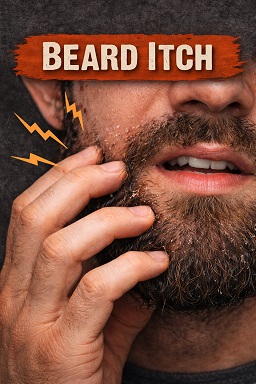
If your beard feels itchy, dry, brittle, or keeps breaking no matter how long you grow it, the problem isn’t bad genetics — it’s an incomplete routine.
Most beard issues come from skin neglect, inconsistent hydration, and daily habits that quietly damage beard hair over time. The good news? These problems are preventable with a simple, repeatable routine.
This article explains why beards itch and break and the exact daily routine that fixes both.
Why Beards Start Itching
Beard itch is almost always a skin problem, not a hair problem.
When beard hair grows, it:
- Pulls moisture away from the skin
- Blocks natural oil distribution
- Reduces airflow and exfoliation
The result is dry, tight, irritated skin beneath the beard.
Common Causes of Beard Itch
- Skipping daily hydration
- Overwashing with harsh cleansers
- Using regular shampoo on facial hair
- Applying product only to hair, not skin
- Cold or dry environmental conditions
If the skin underneath your beard is dry, itch is guaranteed.
Why Beards Break and Split
Breakage happens when beard hair becomes brittle instead of flexible.
Healthy beard hair should bend slightly before snapping. Dry hair snaps.
Common Causes of Beard Breakage
- Lack of moisture
- Excessive friction (collars, masks, sleeping)
- Over-brushing or aggressive combing
- Heat exposure
- Washing too frequently
Breakage often starts silently — by the time you notice uneven length or split ends, damage is already done.
The Daily Routine That Fixes It
This routine focuses on hydrating skin, protecting hair, and reducing friction — the three pillars of beard health.
Step 1: Rinse Daily, Wash Intentionally
- Rinse your beard with warm water every day
- Wash 2–3 times per week, not daily
Daily washing strips natural oils and accelerates dryness. Water alone removes sweat and debris without damage.
Step 2: Apply Beard Oil Every Day (Non-Negotiable)
Beard oil is the foundation of itch prevention and breakage control.
What beard oil does:
- Rehydrates skin beneath the beard
- Restores flexibility to beard hair
- Reduces flakes and irritation
- Prevents brittle snapping
How to apply correctly:
- Apply to a slightly damp beard
- Use 3–6 drops depending on length
- Massage oil into the skin first
- Pull remaining oil through the beard
If your beard feels greasy, you’re using too much — not the wrong product.
Step 3: Condition the Hair (Butter or Balm)
Hydration keeps skin comfortable. Conditioning keeps hair intact.
- Beard butter: Best at night or for dry, coarse beards
- Beard balm: Best during the day for light control and protection
These products:
- Reduce friction
- Seal in moisture
- Prevent split ends
Use one — not necessarily both.
Step 4: Groom Gently and Intentionally
Grooming spreads oils and prevents tangles, but only when done correctly.
- Use a wide-tooth comb on longer beards
- Use a soft brush on shorter beards
- Groom after applying product, never on a dry beard
Aggressive grooming causes micro-damage that leads to breakage.
Step 5: Protect Your Beard Throughout the Day
Daily damage adds up.
Protect your beard from:
- Cold air and dry heat
- Clothing friction
- Excessive touching or pulling
A properly moisturized beard resists environmental stress better than a dry one.
How Long Until You See Results?
With consistency:
- Itch relief: 3–5 days
- Flake reduction: 1–2 weeks
- Improved softness: 2–3 weeks
- Reduced breakage: 3–4 weeks
Beard care is cumulative. Daily habits matter more than occasional effort.
Common Mistakes That Keep Problems Coming Back
- Skipping oil “some days”
- Washing too often
- Using more product instead of better technique
- Expecting instant results
- Changing routines every week
Consistency beats intensity every time.
Final Thoughts
Beard itch and breakage aren’t random problems — they’re predictable results of neglected skin and dry hair.
When you:
- Hydrate the skin daily
- Condition the hair properly
- Groom gently
- Stay consistent
Your beard stops fighting you and starts working with you.
Healthy skin fixes itch.
Flexible hair prevents breakage.
A simple routine keeps both under control.