
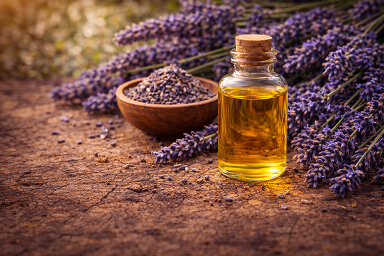
Lavender has one of the longest and most documented histories of use of any aromatic plant. Its name comes from the Latin lavare, meaning “to wash,” reflecting its long association with cleanliness, calm, and purification.
Ancient Egyptians used lavender in perfumes, cosmetics, and burial preparations. The Greeks and Romans later adopted lavender for bathing, grooming, and scenting living spaces—Roman soldiers were known to use lavender to clean wounds and calm the mind after battle.
During the Middle Ages, lavender was commonly grown in monastery gardens and used to freshen clothing, repel insects, and scent linens. By the 18th and 19th centuries, lavender oil became a cornerstone of European perfumery, especially in France, where the fields of Provence became synonymous with high-quality lavender production.
Today, lavender oil remains one of the most versatile and respected essential oils in grooming—valued for its clean aroma, balance, and timeless appeal.
1. Lavender Cultivation
Lavender thrives in sunny climates with well-drained soil. Plants are grown for several years before reaching peak oil production.
2. Harvesting
Lavender flowers are harvested at full bloom, when the concentration of aromatic compounds is highest. Timing is critical to ensure optimal oil quality.
3. Drying & Preparation
In some cases, the flowers are lightly dried to reduce moisture and concentrate aroma before distillation.
4. Steam Distillation
The flowers are steam-distilled. As steam passes through the plant material, it releases the aromatic compounds that form lavender essential oil.
5. Condensation & Separation
The steam cools and condenses back into liquid, allowing the essential oil to naturally separate from the water.
6. Filtration & Quality Control
The oil is filtered and evaluated for clarity, aroma balance, and purity before being approved for cosmetic use.
Lavender oil is known for its clean, herbal-floral aroma that is both fresh and grounding.
Key characteristics
In beard care, lavender oil adds balance and refinement. It smooths sharp citrus notes, softens heavy woods and spices, and brings a clean finish that feels composed and confident—not sweet or overpowering.
From ancient baths to modern grooming rituals, lavender oil stands the test of time—clean, balanced, and quietly masculine.