


Deep, earthy, smoky richness with rugged sophistication.
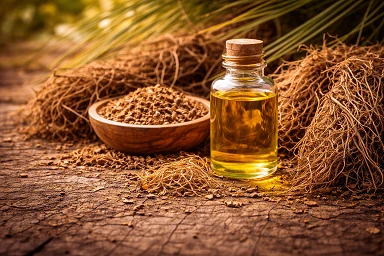
Vetiver oil has one of the deepest and most respected histories in perfumery and traditional remedies. It originates from the vetiver plant (Vetiveria zizanioides), a tall grass native to India and Southeast Asia, where it has been cultivated for thousands of years.
In ancient India, vetiver roots were woven into mats, fans, and screens that were soaked in water and hung in homes to cool the air and release a calming, earthy aroma. Vetiver was also widely used in Ayurvedic practices for grounding, balance, and skin care.
As global trade expanded, vetiver oil became highly prized in Europe and the Middle East for its deep, smoky, earthy scent. By the 18th and 19th centuries, it had become a cornerstone base note in fine perfumery—often referred to as the “oil of tranquility” for its grounding character. Today, vetiver remains one of the most respected and masculine fragrance materials in grooming.
Vetiver grass is grown in tropical and subtropical climates. Unlike most aromatic plants, vetiver’s valuable oil is found in its roots, which grow deep into the soil and help prevent erosion.
After 12–24 months of growth, the roots are harvested, cleaned thoroughly, and separated from the stalks.
The roots are dried and sometimes lightly chopped or crushed. This step is critical—it concentrates the aroma and improves oil yield during distillation.
The prepared roots are steam-distilled over long periods, sometimes taking many hours. The steam draws out the thick, aromatic oil locked deep within the roots.
The oil separates naturally from the water and is filtered. Vetiver oil is often aged for several months, allowing its aroma to smooth, deepen, and fully develop.
Vetiver oil is chemically complex, giving it unmatched depth and longevity compared to many essential oils.
In beard care, vetiver oil acts as a base note and anchor. It grounds lighter notes, adds depth to wood and spice blends, and helps scents last longer on the skin and beard. Its rugged, earthy profile delivers a refined masculinity that feels natural, confident, and timeless.
From ancient Indian traditions to modern grooming formulations, vetiver oil stands apart—bold, grounding, and unmistakably powerful.
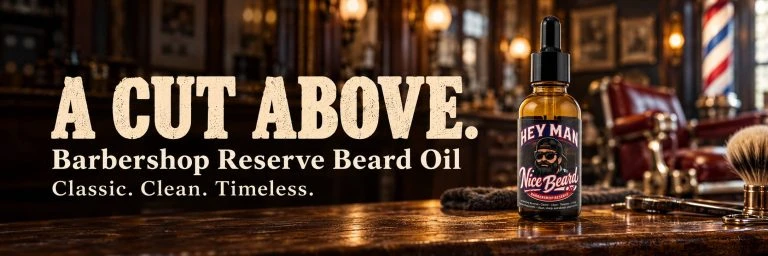
Hey Man Nice Beard® scents come from essential oils, never synthetic fragrance. Every blend is made in small batches, blended in-house, and tested by us. No animal testing.
Free shipping on U.S. orders $40+. $6.99 flat rate under $40. U.S. only.